|
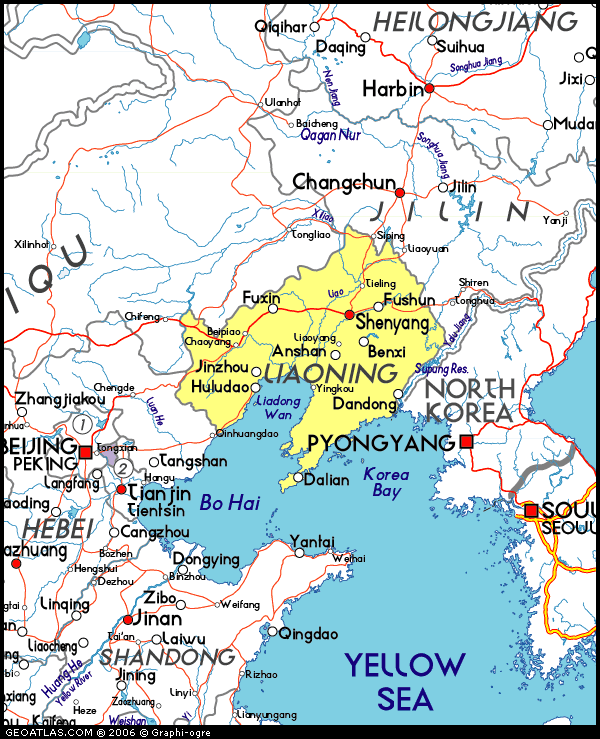
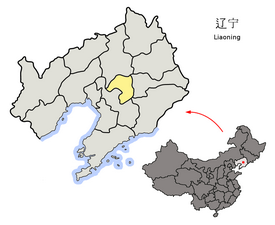
Liaoyang
is a prefecture-level city of east-central Liaoning
province, China, situated on the Taizi River and,
together with Anshan, forms a metro area of 2,057,200
inhabitants in 2010. It is approximately one hour south
of Shenyang, the provincial capital, by car.
Liaoyang rose to prominence during the Liao dynasty.
Several buildings in the city date to this period.
|
 |
|
|
LIAOYANG District |
|
|
 |
Chen Wo Reservoir area
参窝水库 |
|
GPS: |
41.23006,
123.51496 |
|
N/A. |
|
|
| xxxxxxxxxxxxxxxxxxxxxx |
|
|
|
|
|
|
|
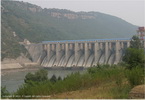
Reservoir / Dam |
|
GPS: |
41.23559,
123.51644 |
|
N/A |
 |
|
|
|
|
|
|
|
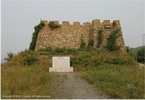
Old Castle |
|
GPS: |
41.20319,
123.42444 |
|
N/A |
 |
|
|
|
|
|
|
|
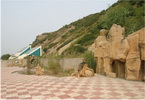
Cold Field
冷热地公园 |
|
GPS: |
41.20387,
123.4272 |
|
N/A |
 |
|
|
|
|
|
|
|
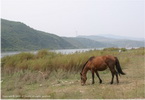
Rafting center |
|
GPS: |
|
|
N/A |
 |
|
|
|
|
|
|
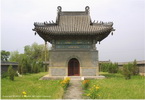 |
Dongjing tomb
东京陵 |
|
GPS: |
na |
|
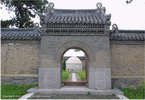
Built by the first Manchurian
Emperor, Nurhachu. Four members
of the family are buried here in
three tomb complexes. The tombs
display the traditional
Manchurian culture. A high wall
surrounds each site with a
single gate at one end. Inside
the gate of the larger tomb, a
path leads to a small building,
within which stands a steele
engraved with epitaph describing
the persons life in some length.
The steele is mounted on top of
a large tortoise. In the other
tombs, the steele stand exposed
without the covering building.
Beyond the steele is an inner
gateway which takes you through
to the tomb mound it's self.
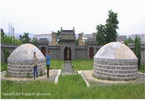
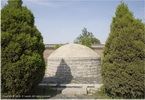
Each tomb is round, made of
stone or brickwork and has a
domed top. |
 |
|
| xxxxxxxxxxxxxxxxxxxxxx |
|
|
|
|
|
|
|
Dongjing tomb (Site 1)
东京陵 |
|
GPS: |
41.3117,
123.27812 |
|
N/A |
 |
|
|
|
|
|
|
|
|
|
|
|
|
Dongjing tomb (Site 2)
东京陵 |
|
GPS: |
41.2958,
123.25553 |
|
N/A |
 |
|
|
|
|
|
|
|
|
|
|
|
|
|
|
Dongjing tomb (Site 3) |
|
GPS: |
|
|
N/A |
 |
|
|
|
|
|
|
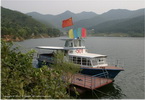 |
Tang He reservoir
汤河风景区 |
|
GPS: |
41.10837,
123.3712 |
|
N/A. |
|
|
| xxxxxxxxxxxxxxxxxxxxxx |
|
|
|
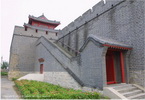 |
Dongjing old city gate |
|
GPS: |
41.27351,
123.23661 |
|
Liaoyang became the capital city
of the Manchurian Late Jin
Empire in 1621. An imperial
palace was built here called
Dongjing or "East Capital" and
covers and area of 0.75 square
kilometres. A few walls and
gates remain of the old palace. |
|
|
| xxxxxxxxxxxxxxxxxxxxxx |
|
|
|
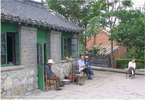 |
Villages / Peoples |
|
GPS: |
na |
|
N/A. |
|
|
| xxxxxxxxxxxxxxxxxxxxxx |
|
|
|
|
|
LIAOYANG City |
|
|
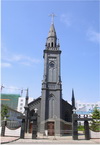 |
Liaoyang Cathedral
|
|
GPS: |
na |
|
N/A |
|
|
| |
|
|
|
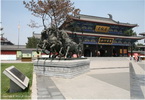 |
Guangyou temple
广佑寺 |
|
GPS: |
41.27824, 123.17655 |
|
Constructed during the Eastern
Han Dynasty, this is one of the
oldest Buddhist sites in China.
In the year 1161, the site
received favour of the Emperor
and was expanded. In the early
1900's, the army of the old
Tsarist Russia burned the site.
It has since been restored. |
|
|
| |
|
|
|
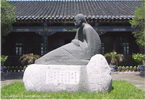 |
Cao Xueqin Memorial Hall
曹雪芹纪念馆 |
|
GPS: |
41.2667,
123.17942 |
|
"The Dream of Red Mansions" is
one of the four most famous
novels of China. It was written
by Cao Xueqin. Over the years,
there has been much debate as to
where Cao Xueqin was born.
Liaoyang has been put forward as
the likely location. In 1995, a
Memorial to Cao Xueqin was
opened in Liaoyang. |
|
|
| |
|
|
|
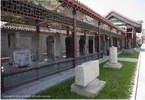 |
Museum (Steles Forest)
辽阳碑林 |
|
GPS: |
na |
|
N/A |
|
|
| |
|
|
|
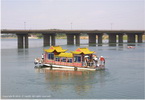 |
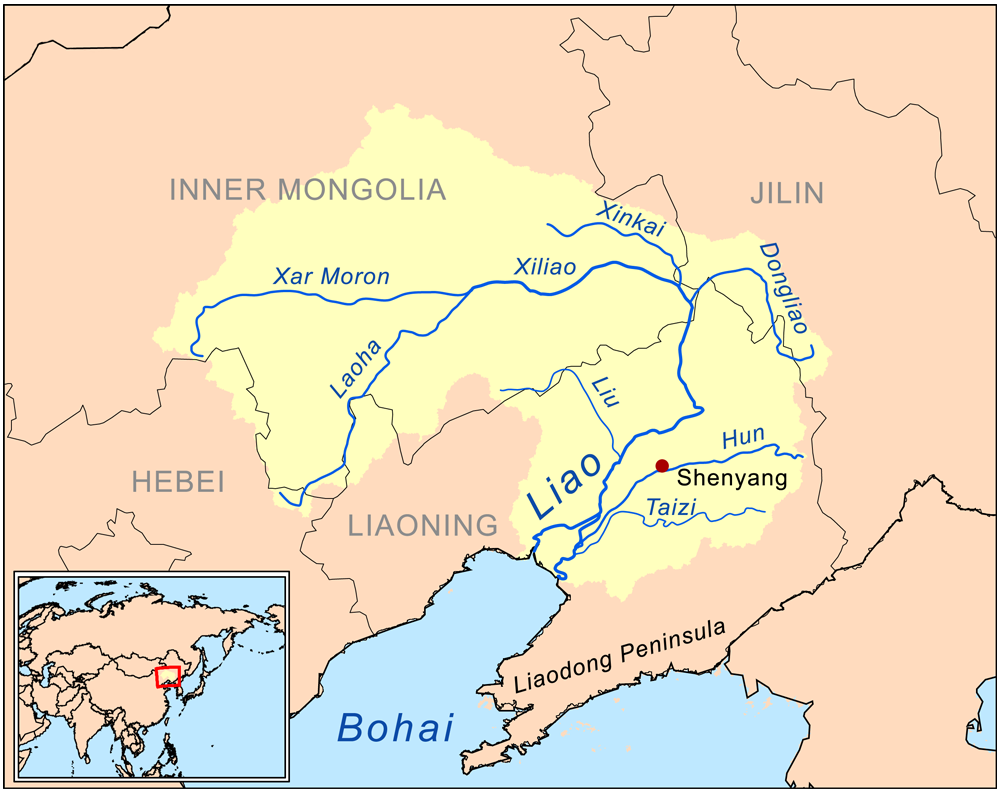
Taizi River
太子河 |
|
GPS: |
41.26551,
123.21133 |
|
The Taizi River was historically
also known as Yan River or Liang
River. It was originally the
third largest tributary of the
Liao River, draining with the
neighboring Hun River into a
confluence known as "Trident
River" near Haicheng. |
 |
|
|
| |
|
|
|
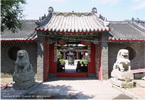 |
Temple (1) |
|
GPS: |
na |
|
N/A |
|
|
| |
|
|
|
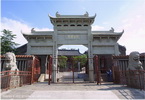 |
Temple (2) |
|
GPS: |
na |
|
N/A |
|
|
| |
|
|
|
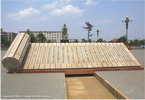 |
Liaoyang City
辽阳 |
|
GPS: |
41.26724,
123.23694 |
|
Liaoyang is a prefecture-level
city of east-central Liaoning
province, China, situated on the
Taizi River and, together with
Anshan, forms a metro area of
2,057,200 inhabitants in 2010. |
|
|
| |
|
|
|
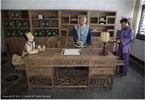 |
Wang'erlie Memorial
王尔烈纪念馆 |
|
GPS: |
41.26554,
123.17895 |
|
Wang Erlie was a court official
born in Liaoyang during the rein
of the Emperor Qianlong. He
achieved excelent scores in his
Imperial exams and subsequently
had a career that saw him become
one of the richest and most
powerful people in China. |
|
|
| |
|
|
|
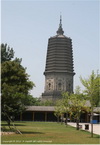 |
White Pagoda
辽阳白塔 |
|
GPS: |
41.27936,
123.17555 |
|
This is the tallest, at 70.4
metres, ancient pagoda in the
Northeast of China. It dates to
the Liao Dynasty and is one of
the 6 oldest pagoda towers in
China. The park was constructed
around the pagoda in 1908. |
|
|
| |
|
|
|
|
 EXPLORE
CHINA THROUGH PHOTOGRAPHY
EXPLORE
CHINA THROUGH PHOTOGRAPHY